GUEST PERFORMANCE AT THE SWISS ALPS CLASSICS | ANDERMATT, SWITZERLAND
Performers
- Orchestra
- Chief Conductor
- Violoncello
Program
-
Edward Elgar (1857–1934)
-
Cello Concerto in E minor, op. 85 | 30'
-
-
Interval
-
-
Pjotr Iljitsch Tschaikowsky (1840–1893)
-
Symphony No 4 f-Moll op. 36 | 44'
-
Event Description
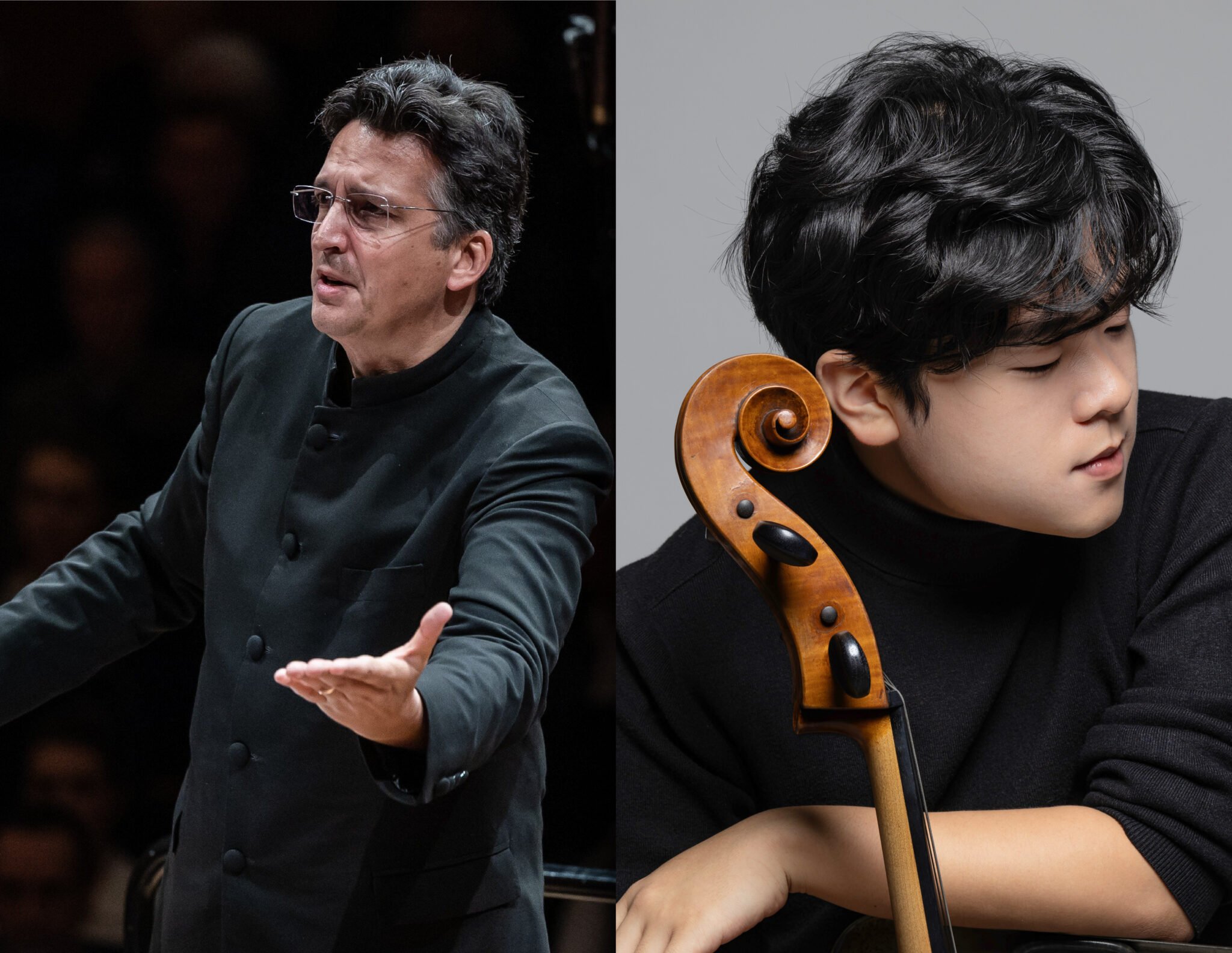
The Luzerner Sinfonieorchester appears at Swiss Alps Classics under the baton of Michael Sanderling with a programme poised between poetry and drama. At the heart of the first part is Edward Elgar’s Cello Concerto in E minor, performed by the young cellist Jaemin Han. It is followed by Antonín Dvořák’s Symphony No. 7 in D minor – one of the Czech composer’s most intense and dramatic works.
Elgar’s Cello Concerto was composed in 1918/19, in the shadow of the First World War and at a personally difficult time for the composer. The work became a farewell to an era – and at the same time Elgar’s last major completed orchestral composition. Far removed from the imperial splendour of his earlier «Pomp and Circumstance» marches, the concerto speaks in a concentrated, melancholy and deeply human voice. From the very beginning, the recitative-like entry of the solo cello feels almost like a personal address. What unfolds is a great song of lament, carried by delicate movement, noble restraint and profound emotional depth.
Dvořák’s Seventh Symphony, too, is a work of exceptional density. With it, Dvořák wanted to show that his music was far more than folkloric colour or «Bohemian» charm. Following his international success, he received a commission from London for a new symphony – and responded with a serious, dramatic and highly ambitious symphonic work. The Czech sound world remains palpable, especially in the rhythmically pointed Scherzo, yet here it is joined with the great tradition of Beethoven and Brahms.
The result is a concert evening shaped by two powerful musical voices: Elgar’s Cello Concerto as an intimate, inward-looking song of farewell; Dvořák’s Seventh as the forceful symphonic statement of a composer who aspired to move the world.